
Cleaning an Older Bryn Mawr Home: Woodwork, Radiators, and Original Floors
· By Cris & Cleber Santos
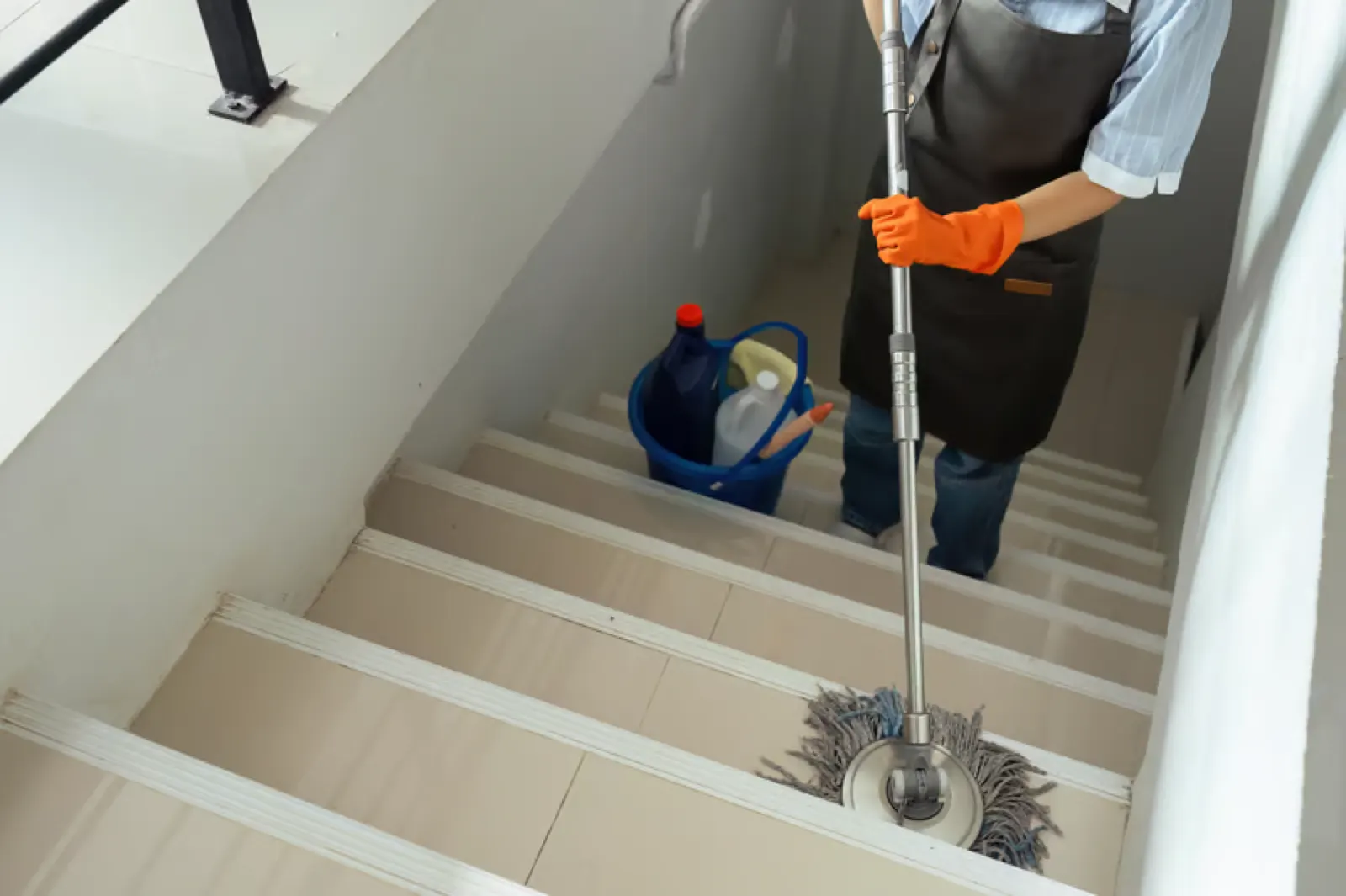
Bryn Mawr grew up around the railroad, and much of its housing still reflects that history. Walk the side streets off Lancaster Avenue or the blocks near Bryn Mawr College and you will see Victorian singles, stone twins, and large houses that have been split into apartments. Many are more than a hundred years old, with original hardwood floors, tall baseboards, radiators, plaster walls, and wide staircases.
Older homes are not harder to clean because they are dirtier. They are harder because they have more detail, more texture, and more surfaces that react badly to the wrong product. This guide covers how to clean the features that make Bryn Mawr homes special, and how to handle the rental turnover that comes with living in a college town.
Original hardwood floors
Original hardwood is one of the best features of an older Bryn Mawr home, and one of the easiest to damage. Many of these floors have been refinished several times and have a thinner wear layer than new wood. Soaking a wood floor or using a steam mop can push water into the seams and gaps, which leads to cupping and dull spots.
Sweep or vacuum first with a soft head to pick up grit, which acts like sandpaper underfoot. Then use a cleaner made for finished wood floors and a microfiber mop that is barely damp. Wipe up spills quickly, and put felt pads under chair legs. Near entries, where grit and winter salt come in from Lancaster Avenue sidewalks, a good mat does more to protect the floor than any cleaning product.
Radiators, vents, and the dust they move
Many older Bryn Mawr homes still heat with cast iron radiators. They work well, but their fins and the wall behind them collect a surprising amount of dust, and once the heat comes on in fall that dust gets warmed and circulated through the room. Homes that have switched to forced air have the same problem at the vents.
Clean radiators before the heating season starts. Use a long, narrow radiator brush or a vacuum crevice tool to reach between the fins, and put a damp towel on the floor underneath to catch what falls. Wipe the wall behind the radiator, where dust often leaves a gray shadow. For forced air, vacuum the vent covers and wipe them down every few weeks in winter.
Trim, built-ins, and plaster walls
Tall baseboards, picture rails, crown molding, window casings, and built-in bookcases are everywhere in older Main Line homes. Each one has a top edge that holds dust. Work from the top of the room down: crown molding and the tops of door frames first, then shelves and casings, then baseboards last, so dust falls onto surfaces you have not cleaned yet.
Plaster walls are durable but can be dusty and porous, and older paint may not handle aggressive scrubbing. Spot clean marks gently with a soft cloth and mild soap, and test any cleaner in a hidden area first. Painted woodwork with many layers of paint can chip at the edges, so wipe rather than scrub.
Kitchens and bathrooms in older houses
Older kitchens and bathrooms often have small hex tile, subway tile, or vintage fixtures with plenty of grout lines and crevices. Grout darkens over time and needs a brush, not just a cloth. Older porcelain sinks and tubs can be scratched by abrasive powders, so use a gentle cleaner and a non-scratch pad.
Bathrooms in older homes may have less ventilation than modern ones, which makes humid summers harder on them. Wipe down shower walls after use when you can, and keep an eye on the caulk and grout for early signs of mildew. A regular clean keeps it from taking hold.
Rentals and move-outs in a college town
Between Bryn Mawr College, Haverford College nearby, and the hospital on Lancaster Avenue, Bryn Mawr has a steady flow of renters, and many older homes have been converted into apartments. Units turn over often, especially at the start and end of the academic year and over the summer.
A move-out clean in an older apartment should cover the inside of cabinets and drawers, the oven and refrigerator, all bathroom fixtures, baseboards, window sills, radiators, and floors. Landlords should check that radiators and the corners behind them have been cleaned, since that is where the previous tenant left the most dust. Tenants hoping to get a deposit back should photograph each room after cleaning.
Getting help with an older Bryn Mawr home
If you love your older home but do not have time to give its details the attention they need, a recurring cleaning on a set schedule keeps it under control, and a deep cleaning once or twice a year handles the radiators, trim, and built-ins.
Cris & Cleber Home Cleaning serves Bryn Mawr from our base in Northeast Philadelphia, with recurring house cleaning, deep cleaning, and move-in and move-out cleaning. Owners Cris and Cleber Santos are on every job, and on a first deep cleaning in a larger home they bring one extra helper. Every visit follows a room-by-room checklist. Call or text (835) 280-7875 to talk about your home and get an estimate.
Frequently asked questions
- Can I use a steam mop on old hardwood floors?
- It is best to avoid it. Steam and excess water can get into the seams of older hardwood and cause cupping or dull spots. A barely damp microfiber mop and a cleaner made for finished wood floors are safer.
- How do you clean between radiator fins?
- Use a long, narrow radiator brush or a vacuum crevice tool, working from the top down, with a damp towel underneath to catch falling dust. Do it before the heating season so the dust is not circulated through the room.
- Do you clean apartments and rentals in Bryn Mawr?
- Yes. We offer move-in and move-out cleaning for apartments and homes, which covers cabinets, appliances, bathrooms, baseboards, and floors so the unit is ready for the next person.
- What should be cleaned first in an older home?
- Work from the top of each room down: crown molding and door frames, then shelves and window casings, then baseboards and floors. That way the dust you knock loose lands on surfaces you have not cleaned yet.
Related services
Serving
Ready for an exact price?
Get a free, no-pressure in-home estimate. Real numbers for your home, not a phone guess.