
How to Keep an Older Wayne, PA Home Clean: Hardwood, Trim, and Main Line Seasons
· By Cris & Cleber Santos
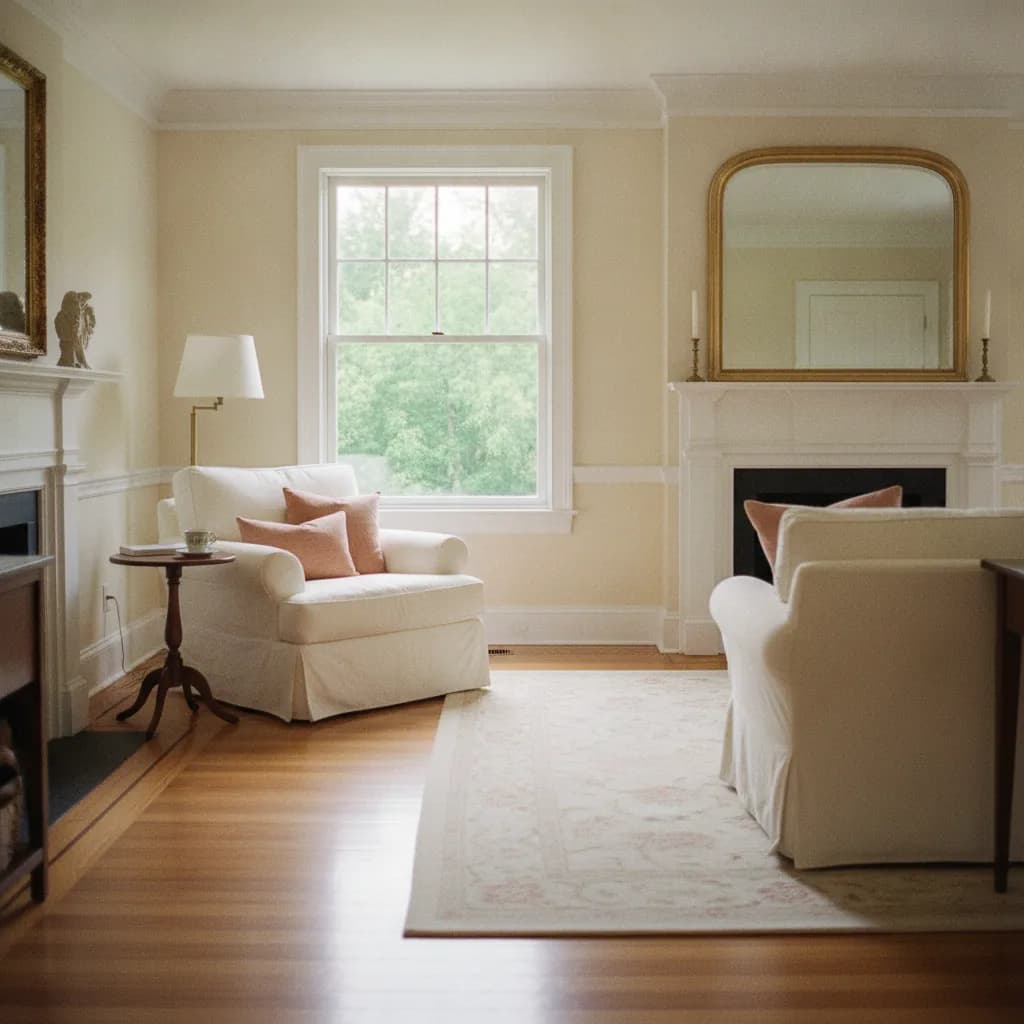
Wayne has some of the most character filled housing on the Main Line. Walk a few blocks from Lancaster Avenue and you will see stone and stucco colonials, Victorian twins near the train station, shingled homes in North Wayne, and large houses on tree lined side streets. Many of these homes are decades old, and their original details are a big part of why people love living here.
Those same details make cleaning a little different from a newer build. Original hardwood, plaster walls, wide trim, built-in bookshelves, radiators, and deep window wells all collect dust in their own way, and some finishes can be damaged by the wrong product or too much water. This guide walks through how to keep an older Wayne home clean, room by room and season by season, and when it makes sense to bring in help.
Start with the floors: protect original hardwood
Many older Wayne homes still have original oak or heart pine floors, sometimes refinished more than once. These floors look beautiful, but older finishes can be thinner and more sensitive than modern factory coatings. The biggest risk is water. A soaking wet mop pushes water into seams and between boards, which can lead to cupping, dull spots, and gaps over time.
The safer routine is to dry clean first and damp clean second. Vacuum with a soft brush head or use a dust mop to pick up grit, because grit is what scratches finishes when people walk on it. Then use a well wrung microfiber mop with a pH neutral cleaner made for finished wood. Skip oil soaps and vinegar heavy mixes on older finishes unless you know exactly what the floor was coated with, because they can leave residue or dull the surface.
Area rugs help in entryways and hallways, especially in winter. Vacuum them weekly and shake out small runners outside when you can, since they trap the salt and grit that would otherwise grind into the wood.
Trim, built-ins, and plaster walls
Wide baseboards, chair rails, window casings, crown molding, and built-in shelving are dust collectors. In older homes, the tops of trim and the ledges of built-ins can hold a surprising amount of dust, and that dust gets kicked back into the air every time the heat or air conditioning runs.
Hand dusting with a slightly damp microfiber cloth works better than a feather duster, which mostly moves dust around. Work from the top of the room down: light fixtures and ceiling fans first, then shelves and trim, then baseboards, and finally the floor. Plaster walls can usually be spot cleaned with a soft cloth and mild soapy water, but test a hidden area first, especially on older paint.
Radiators, registers, and older heating
Plenty of older Wayne homes still have cast iron radiators or older floor registers. Radiators trap dust between their fins, and when the heat comes on in the fall, that dust can smell burnt and spread through the room. A radiator brush or a vacuum crevice tool gets between the fins, and a damp cloth finishes the outside. Do this before the heating season starts and again midwinter.
Floor registers and return vents should be vacuumed regularly, and the grates can be lifted and washed once or twice a year. Keeping these clean makes a noticeable difference in how much dust settles on furniture between cleanings.
Windows, sills, and deep window wells
Older homes often have deep sills and window wells, plus storm windows or older sashes with tracks that collect dirt, dead insects, and pollen. Vacuum the tracks with a crevice tool first, then wipe them with a damp cloth. Sills can be wiped weekly in spring when pollen is heavy along the Main Line. Interior glass is easiest with a microfiber cloth and a simple glass cleaner, working top to bottom.
Kitchens and bathrooms in renovated older homes
Many Wayne homes have renovated kitchens and bathrooms inside older walls. That usually means modern stone counters, stainless appliances, and tile, mixed with older layouts. Stone counters should be cleaned with a pH neutral spray rather than harsh acids or bleach, which can etch or dull certain surfaces. Stainless steel looks best wiped with the grain using a dedicated cleaner or a little dish soap and water followed by a dry cloth.
Bathrooms in older homes can have limited ventilation, so moisture lingers after showers. Run the fan or crack a window, squeegee glass doors after use, and clean grout lines regularly to stay ahead of mildew. Humid Pennsylvania summers make this especially important.
A seasonal plan for Wayne homes
Spring: Wayne's mature trees mean heavy pollen. Wipe sills and screens, wash entry mats, and dust more often. This is also a good time for a deep cleaning to reset the house after winter.
Summer: humidity can make basements and lower levels feel musty. Keep dehumidifiers running, clean bathroom grout, and wipe down surfaces in lower levels more often.
Fall: leaves and damp debris come in from the yard and sidewalk. Pay extra attention to entryways and mudrooms, and clean radiators and vents before the heat goes on.
Winter: road salt and grit from treated streets and train platforms end up on entry floors and the bottom stairs. Use mats inside and out, and damp mop entry floors more often so salt does not dull the finish.
When it makes sense to get help
An older Main Line home takes real time to clean well, especially with several bedrooms, multiple bathrooms, and finished lower levels. If you find yourself spending your whole weekend catching up, or the house never quite feels done, a recurring cleaning can take that weight off. For a home that has not had a professional cleaning in a while, a deep cleaning first is usually the best start, followed by a regular schedule to keep it there.
Cris & Cleber Home Cleaning serves Wayne from our base in Northeast Philadelphia. Owners Cris and Cleber Santos are on every job, and they bring one extra helper on bigger first-time cleanings. We clean from the same room-by-room checklist every visit, and we are open Monday through Saturday, 8am to 6:30pm. Call or text us at (835) 280-7875 to talk through your home and get an estimate.
Frequently asked questions
- Can I use a steam mop on original hardwood floors?
- We do not recommend it on older hardwood. Steam and heat can push moisture into the wood and damage older finishes. A dry clean followed by a well wrung microfiber mop and a pH neutral wood cleaner is safer.
- How often should an older Wayne home be cleaned?
- Many busy households do well with a cleaning every two weeks, with a deep cleaning in spring or fall. Homes with pets, kids, or heavy traffic may want weekly visits. It depends on how the home is used.
- Do you clean homes in Wayne, PA?
- Yes. Cris & Cleber Home Cleaning serves Wayne and nearby parts of the Main Line from our base in Northeast Philadelphia. Call or text (835) 280-7875 to check your street and get an estimate.
- How much does house cleaning cost in Wayne?
- It depends on the size of the home, the number of bathrooms, the condition, and how often you book. Larger older homes usually take more time. The best way to know is to tell us about your home and get an estimate for it.
Related services
Serving
Ready for an exact price?
Get a free, no-pressure in-home estimate. Real numbers for your home, not a phone guess.