
A Seasonal Cleaning Guide for Philadelphia Homes
· By Cris & Cleber Santos
Philadelphia gets all four seasons, and each one leaves its mark on your home. Spring brings pollen that coats windowsills and porches. Summer is hot and humid, which pushes moisture into bathrooms and basements. Fall drops leaves on every stoop from Germantown to Northeast Philly, and winter brings snow, slush, and the road salt that follows you through the front door.
Instead of trying to do everything at once, it helps to think of cleaning in seasonal chunks. Your regular weekly or biweekly routine handles the everyday mess, and a few targeted tasks each season take care of what the weather throws at you. This guide walks through a practical plan for each season in a Philadelphia home, whether you live in a rowhome, a twin, a single-family house, or an apartment.
Spring: pollen, windows, and the big reset
Spring in Philadelphia arrives with blooming trees across Fairmount Park, the Wissahickon, and nearly every residential block. It also arrives with pollen. That fine yellow dust settles on windowsills, window tracks, porch furniture, and anything near an open window. Spring is the natural time for a top-to-bottom reset, because you are opening the house up after months of closed windows and running heat.
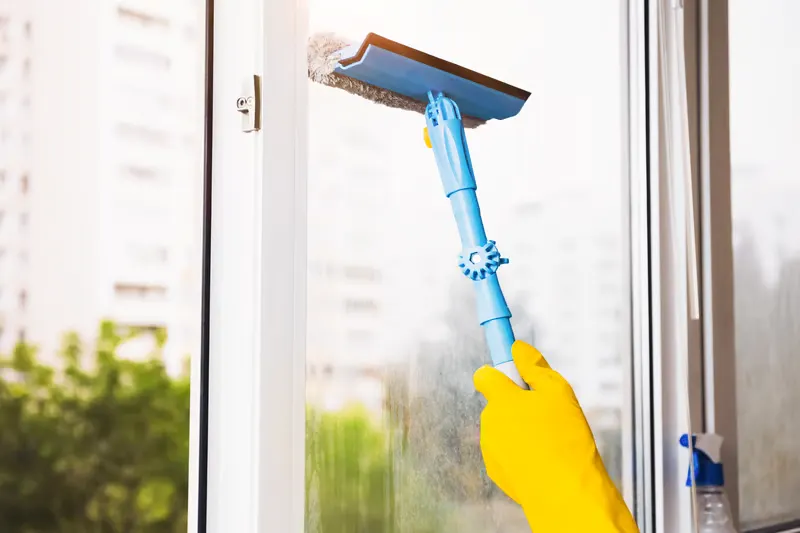
Start with the windows: wipe the glass inside, clean the frames and sills, and vacuum the tracks where winter grit and dead bugs collect. Wash or vacuum curtains and blinds, which hold dust all winter. Dust ceiling fans before you turn them on for the first time, or you will spread a season of dust across the room. Spring is also a good time to book a deep cleaning that reaches baseboards, door frames, vents, and the inside of appliances, so the house starts the warm months fresh.
Summer: humidity, bathrooms, and basements
Philadelphia summers are famously humid, and that moisture is the biggest cleaning challenge of the season. Bathrooms stay damp longer, which gives mold and mildew a chance to grow in grout lines, caulk, and shower corners. Basements, especially in older rowhomes and twins, can develop a musty smell and mildew on walls and stored items.
The fix is consistent attention rather than heavy scrubbing. Run the bathroom fan during and after showers, squeegee or wipe the shower walls, and clean and disinfect the bathroom regularly so mildew never gets established. In the basement, keep floors swept, wipe surfaces, and run a dehumidifier if you have one. Summer is also when air conditioners work hardest, so dust the vents and wipe the area around window units, which tend to collect grime on the sill.
Kitchens need extra care in the heat as well. Crumbs and spills attract ants and other pests faster in warm weather, so wipe counters and the cooktop daily and take out the trash often.
Fall: leaves, entryways, and getting ready for heat
Fall is one of the nicest seasons in the city, but it brings wet leaves onto every stoop and porch, and those leaves get tracked inside. Entry floors, the bottom stairs, and rugs near the door take the hit. A mat outside and inside the front door helps, and so does a quick sweep of the vestibule a few times a week.
Fall is also the time to prepare for heating season. If your home has radiators or baseboard heaters, dust them thoroughly before the heat comes on, because dust that sits on a hot radiator can cause a burning smell and circulate through the room. Vacuum forced-air vents and returns for the same reason. Clean the windows one more time before it gets too cold, and wipe down window frames and sills so you are not shutting the house up with a summer of dust inside.
Winter: salt, slush, and closed-up air
Philadelphia winters vary, but most years bring at least a few snowstorms, plenty of slush, and lots of road salt on sidewalks and streets. Salt is the quiet enemy of floors. It leaves a white haze on hardwood, tile, and vinyl, and over time it can dull the finish. Take shoes off at the door, use absorbent mats, and damp-mop entry floors often during the salt season.
With windows closed and the heat running, indoor air gets drier and dust circulates more. Keep up with dusting surfaces, fixtures, and vents, and vacuum carpets and rugs regularly. Winter is also when many households host family for the holidays, so a deep cleaning before Thanksgiving or the end of the year can take a lot of pressure off. Clean the oven and refrigerator before the big cooking days, not after.
Putting it together: a simple year-round plan
Most homes stay in good shape with a recurring standard cleaning and two or three seasonal deep cleanings a year. A common pattern is a deep cleaning in spring to reset after winter, another in fall before heating season and the holidays, and regular weekly or biweekly visits in between. Homes with pets, kids, or allergy concerns may benefit from more frequent attention.
Cris & Cleber Home Cleaning helps families across Greater Philadelphia keep up with these seasonal shifts. A standard visit covers floors swept and mopped, carpets vacuumed, surfaces dusted, mirrors and windows wiped, bathrooms cleaned and disinfected, mold and mildew removed, vents dusted, and cobwebs cleared. If you would like to plan a seasonal deep cleaning or set up a recurring schedule, request a free estimate.
Frequently asked questions
- When is the best time for a deep cleaning in Philadelphia?
- Spring and fall are the most popular times. A spring deep cleaning clears out winter grit and pollen, and a fall deep cleaning prepares the home for heating season and the holidays.
- How do I prevent mildew in a humid Philadelphia summer?
- Run the bathroom fan during and after showers, wipe shower walls, clean and disinfect the bathroom regularly, and use a dehumidifier in the basement if you have one. Consistent attention works better than occasional heavy scrubbing.
- Should radiators be cleaned before winter?
- Yes. Dusting radiators and vents before the heat comes on helps prevent a burning dust smell and keeps dust from circulating through the room all winter.
- How do I get road salt residue off my floors?
- Damp-mop the floor with warm water and a mild, floor-appropriate cleaner, then dry it. Doing this often during winter keeps salt from building up and dulling the finish.
Related services
Serving
Ready for an exact price?
Get a free, no-pressure in-home estimate. Real numbers for your home, not a phone guess.